
Buying
Buying
Are you planning to purchase a property for your own stay or purely as an investment? There are many factors to consider — freehold or 99-year leasehold, the ideal unit size, the most suitable location, how to structure your housing budget, and whether to choose a brand-new development or a resale property.
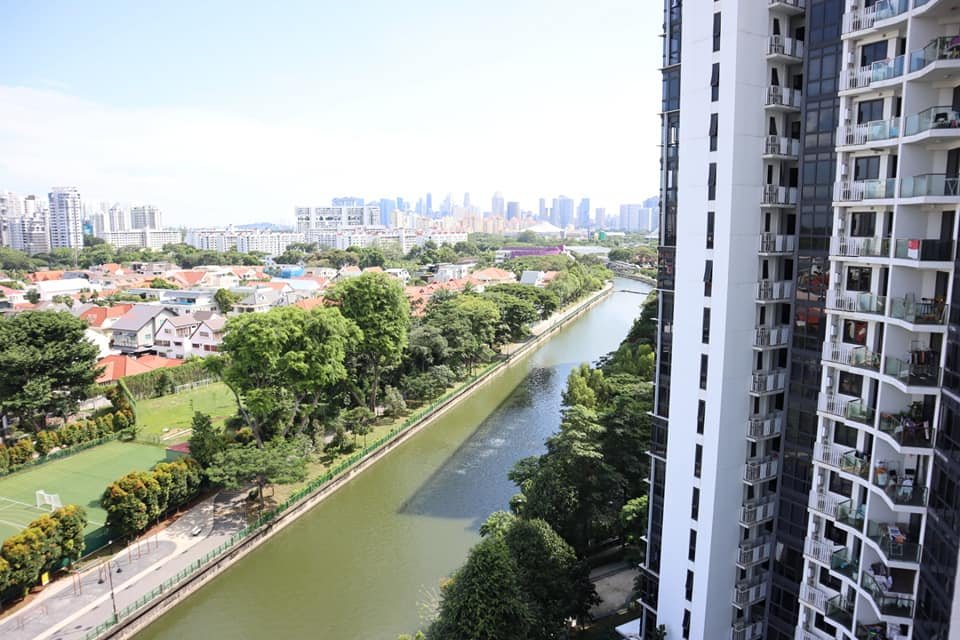
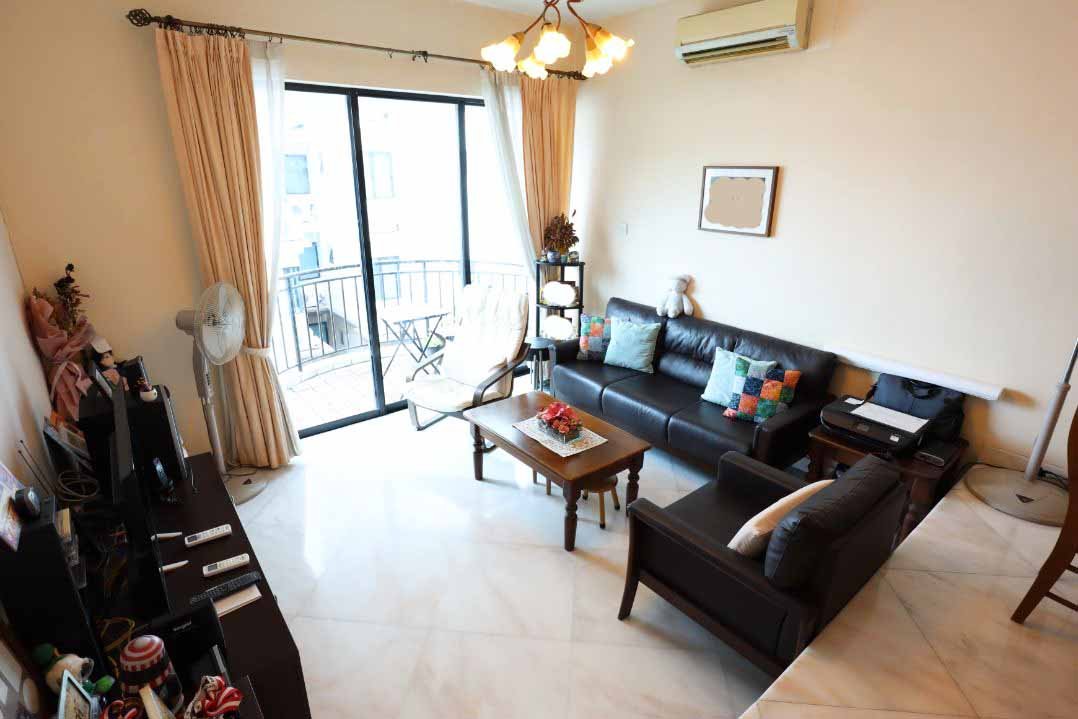
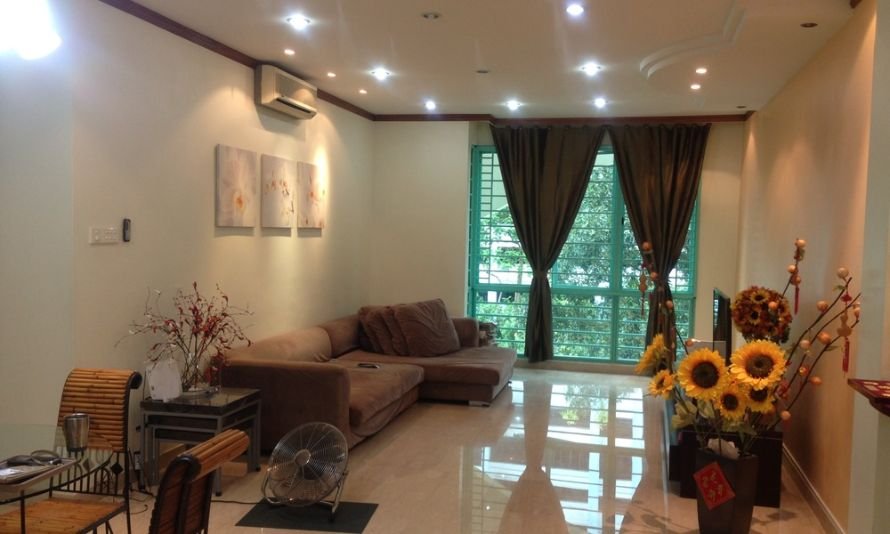
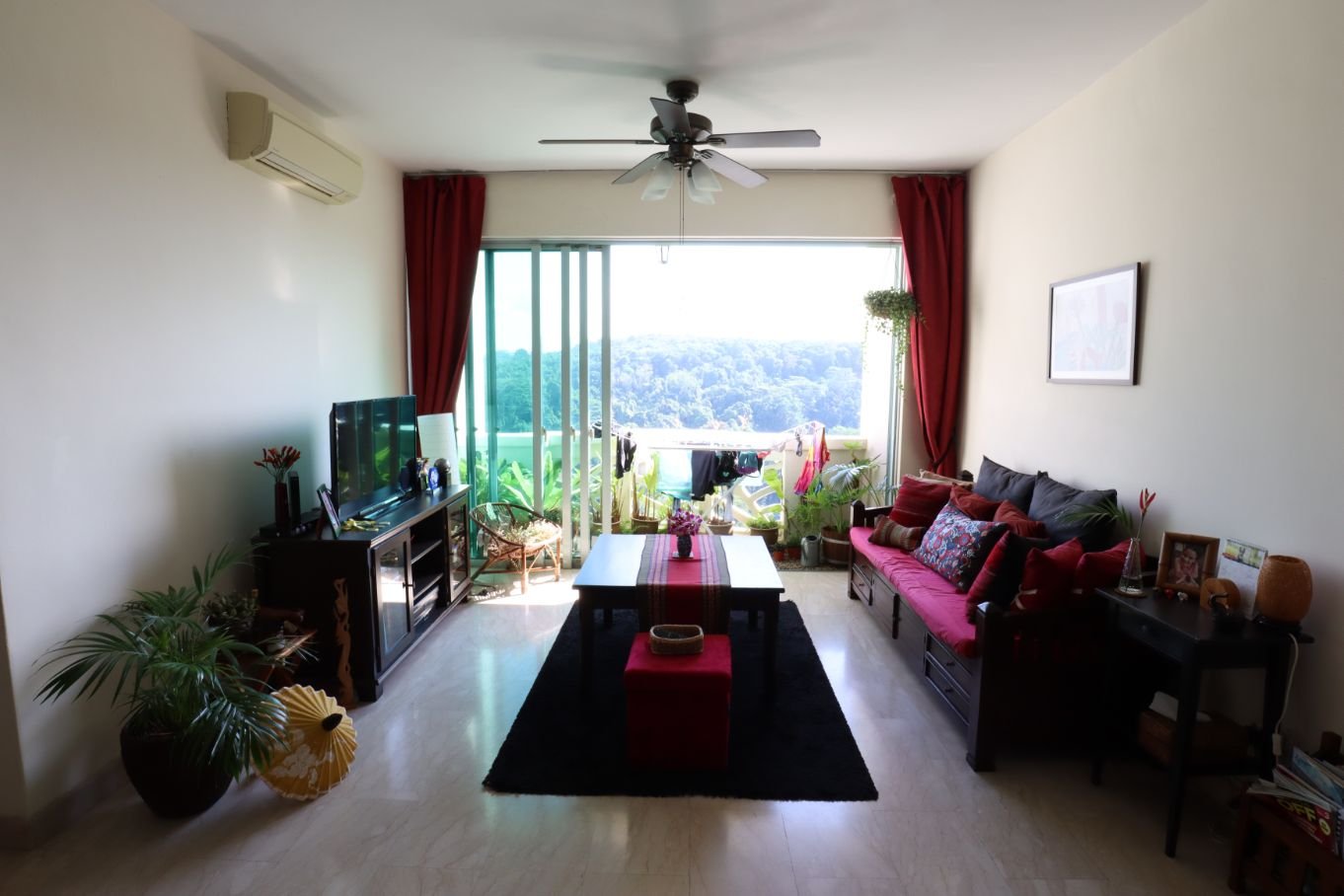
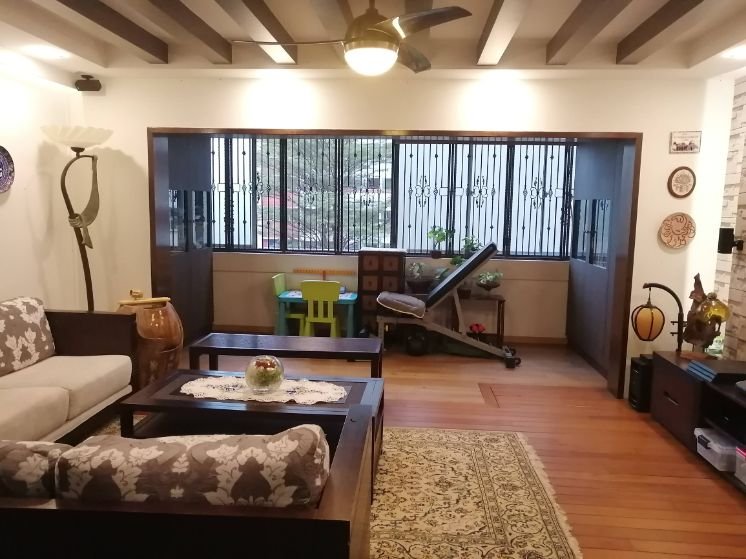
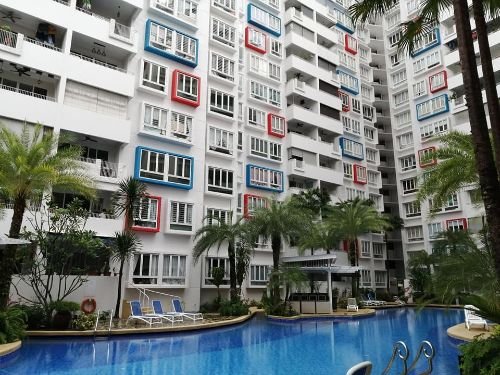
Some of my past transactions
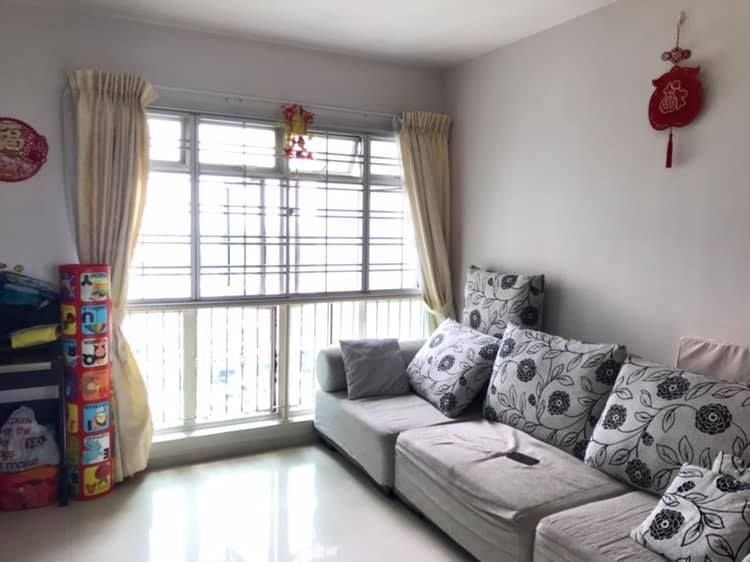
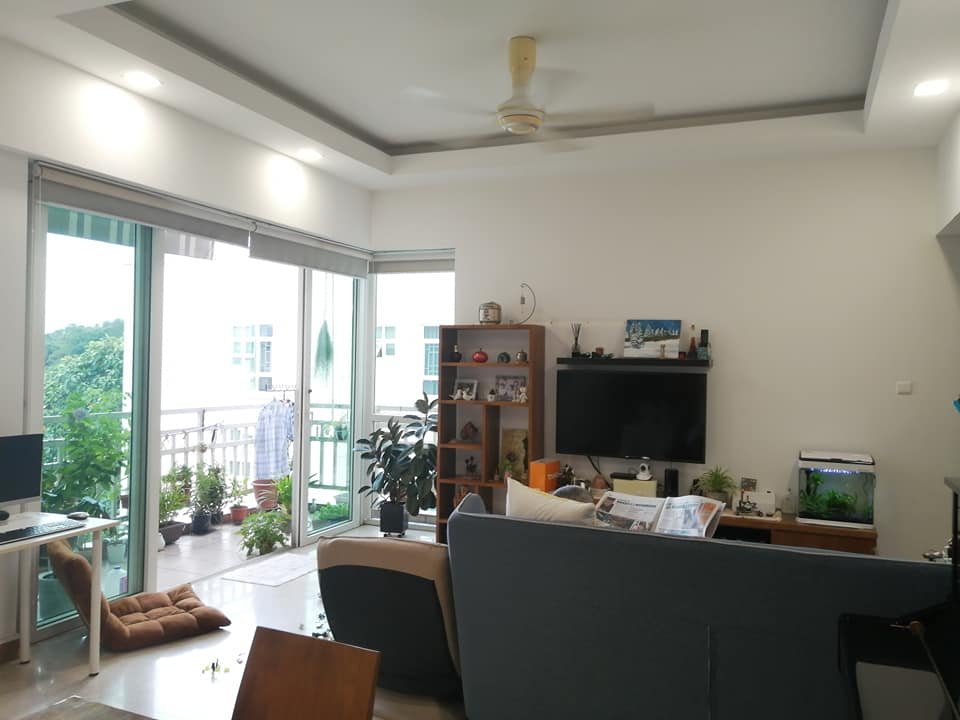
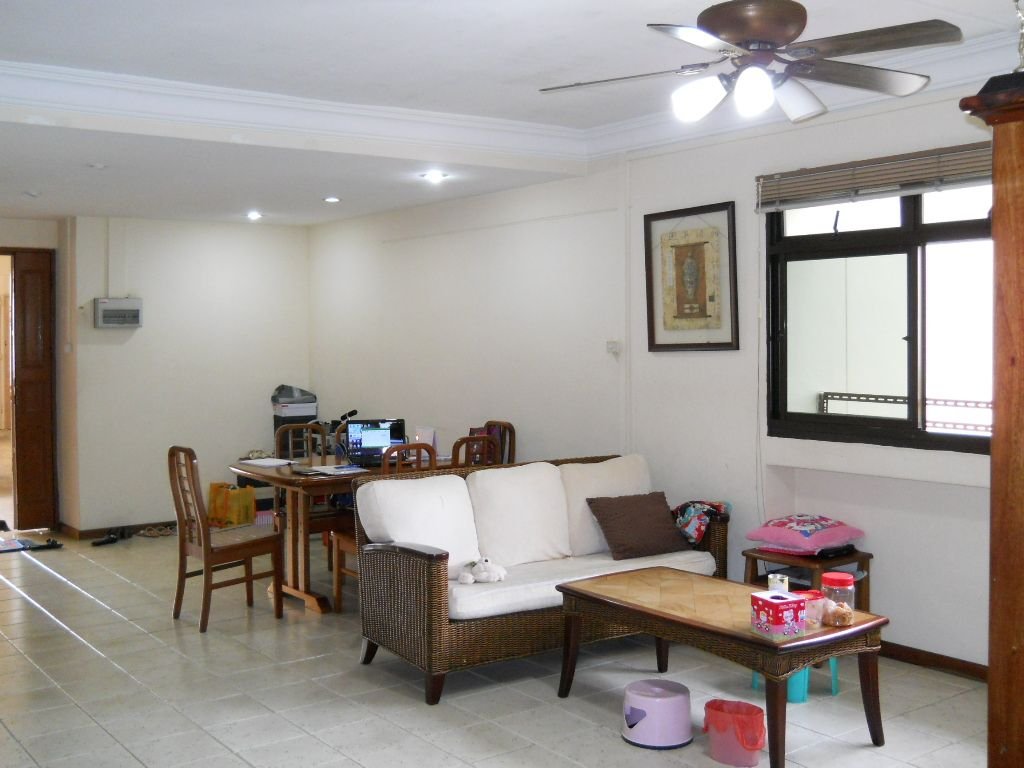
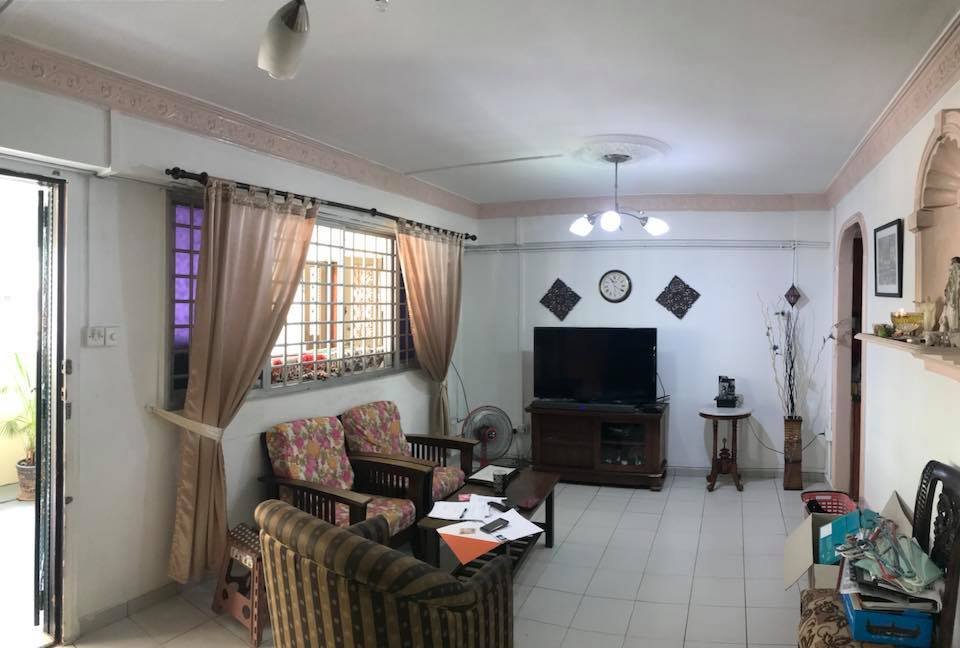
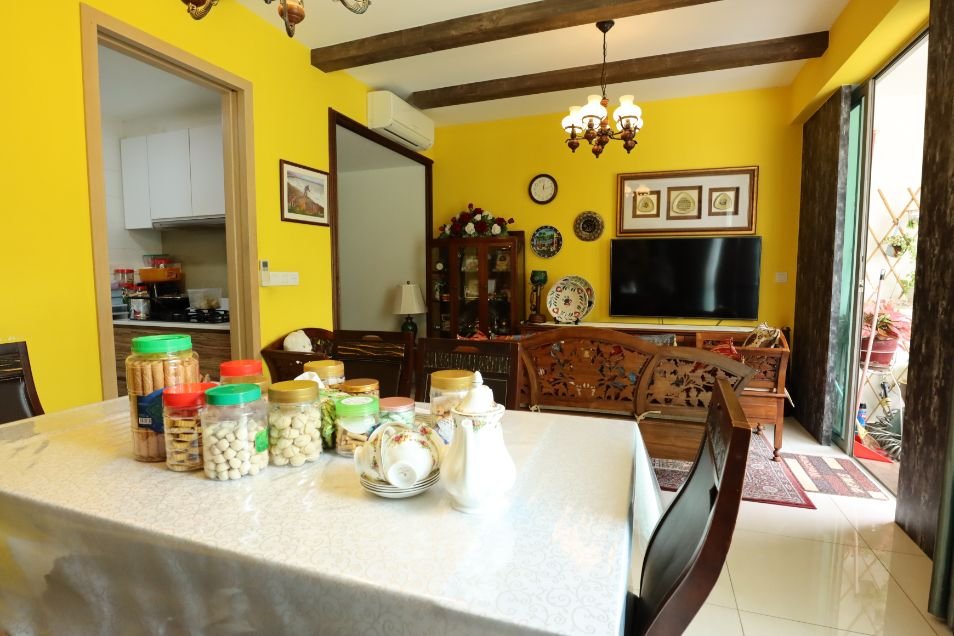
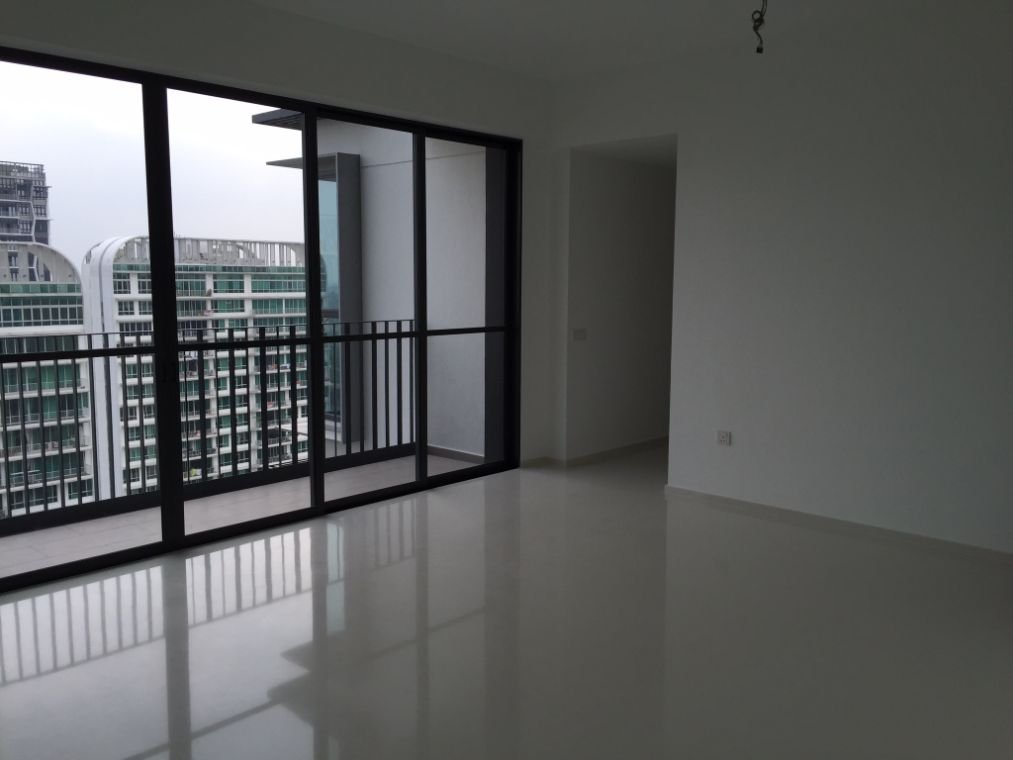
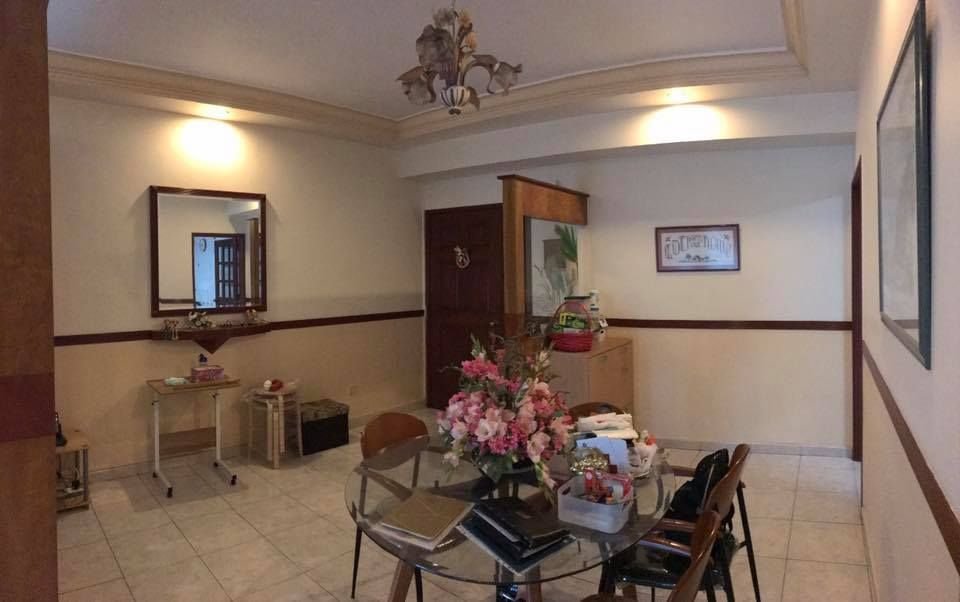
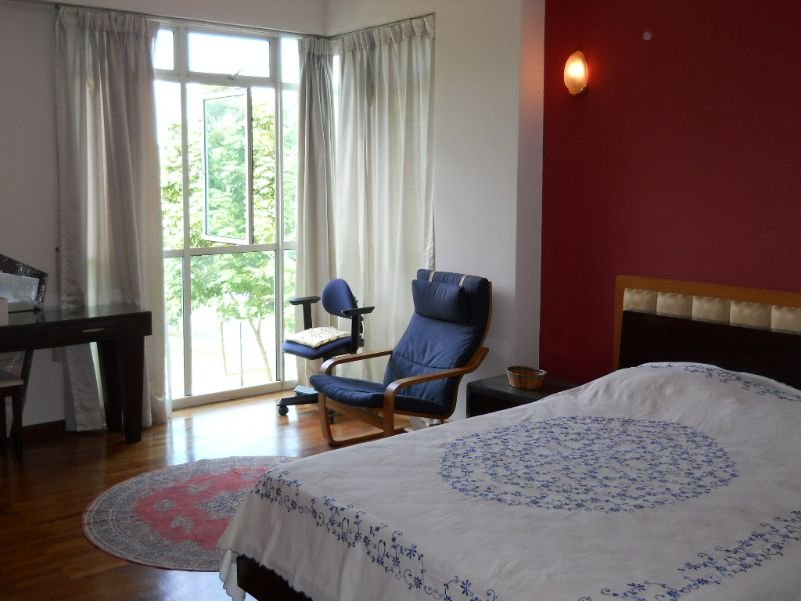
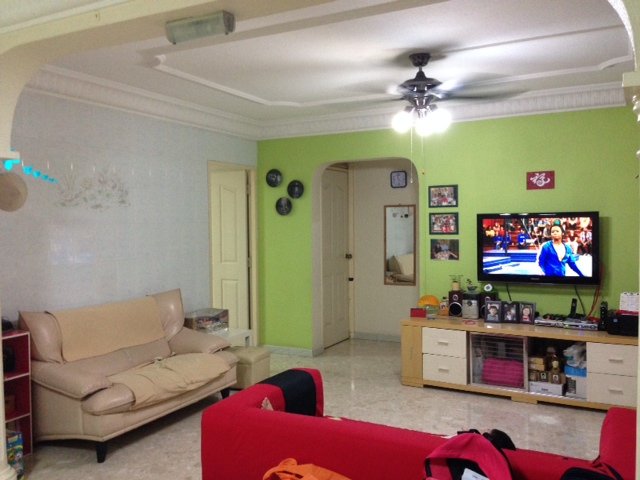
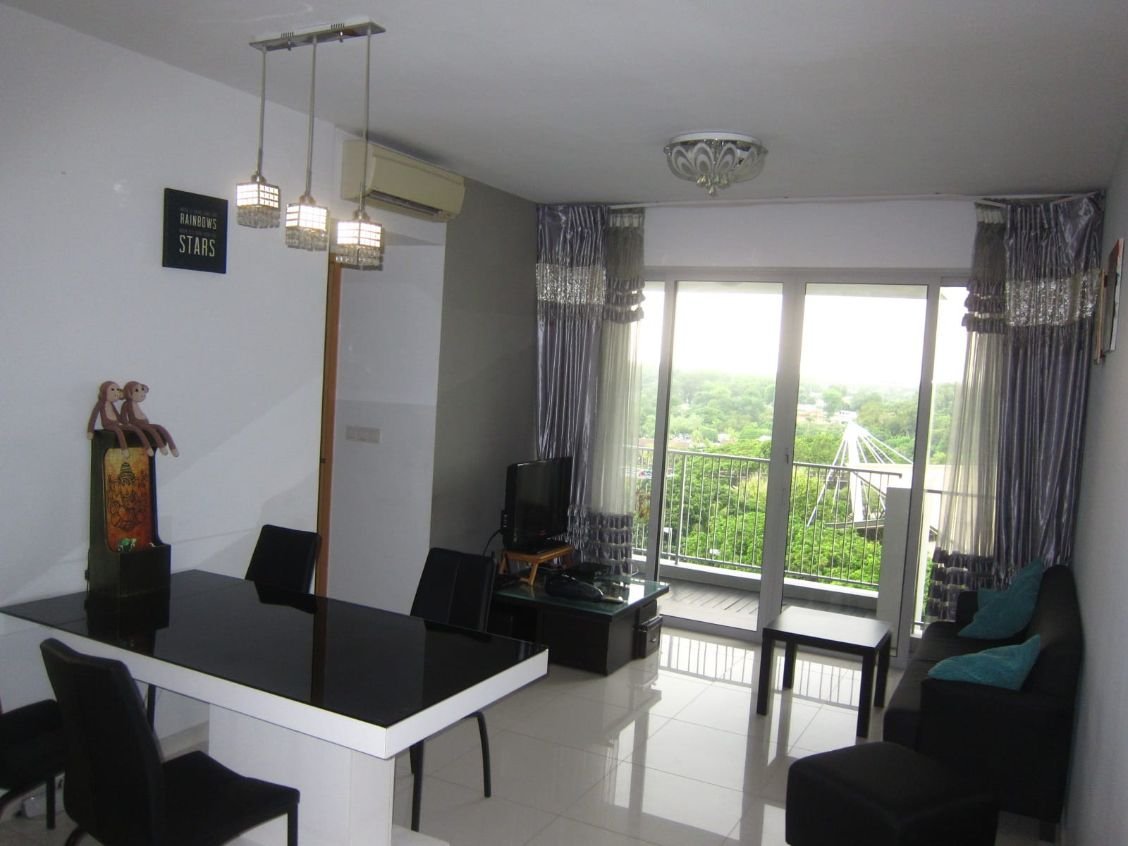

My Buying Principles
Frequently Asked Questions
Got a question? We’ve got you covered.
Here are some of the most common queries about buying a property.
How much can I actually afford?
Your affordability depends on your income, existing debts, age, loan tenure, and available cash/CPF. Banks apply the Total Debt Servicing Ratio (TDSR) of 55%, which caps how much of your monthly income can go toward loan repayments. It’s advisable to do an In-Principle Approval (IPA) with a bank before viewing properties seriously. Else, you can always approach any agents to do an estimate for you.
How much down payment is required?
For bank loans, buyers can borrow up to 75% of the property value. The remaining 25% must be paid upfront, with at least 5% in cash and the rest using CPF or cash. Buyers should also factor in stamp duties and legal fees depending on your property counts and nationality.
What are the taxes involved when buying a property?
Buyers are required to pay Buyer’s Stamp Duty (BSD). Depending on your profile (citizen, PR, foreigner) and the number of properties owned, Additional Buyer’s Stamp Duty (ABSD) may also apply. These taxes must be paid within 14 days of signing the Option to Purchase.
Should I buy a new launch or a resale property?
- New launches offer modern facilities, progressive payment schemes, and lower upfront cash outlay, but prices are often higher.
- Resale properties allow immediate move-in, clearer price benchmarks, and sometimes larger unit sizes.
The better choice depends on your budget, timeline, and purpose of purchase.
Is freehold better than 99-year leasehold?
Not necessarily. Freehold properties tend to hold value better over the long term, but 99-year leasehold properties are often more affordable and located in prime or well-developed areas. For many buyers, location and entry price matter more than tenure.
What should I look out for in the location?
Buyers usually consider proximity to MRT stations, schools, amenities, business hubs, and future developments. For investment buyers, rental demand and tenant profile are also key considerations.
What are the ongoing costs after purchase?
Ongoing costs include property tax, maintenance fees, mortgage repayments, insurance, and utilities. These should be factored into your long-term financial planning. If you have plans to rent it out. Please note that rental income from your property will be added into your assessment income to determine your income tax payable.
Can I rent out the property later?
Most private properties can be rented out without restrictions. However, HDB flats and Executive Condominiums are subject to Minimum Occupation Periods (MOP) before they can be rented out fully.
Will this property appreciate in value?
Property prices are influenced by location, supply, demand, market cycles, and government policies. While no investment is guaranteed, properties near transport nodes, growth areas, or with unique attributes tend to perform better over time.
Is now a good time to buy?
There is no perfect timing. The right time to buy depends on your personal financial readiness, housing needs, and long-term goals rather than trying to time the market.
How much is your commission?
- Buying HDB flats: 1% commission + GST.
- Buying new launch properties: No commission — the developer pays the agents.
- Buying private properties: No commission in most cases. Typically, commissions are shared with the seller’s agent if there’s a co-broke. However, in some cases, if the seller’s agent does not share the commission, a 1% + GST commission will be payable by the buyer.
Why must I engage you? I can always buy houses on my own!
Yes. You are not wrong. You can technically see and buy houses on your own provided you know what you are doing. But having an agent is like having a pair of safe hands in any property transaction. This is your most expensive financial commitment that you are about to commit. Having someone to advise you will give you that extra confident in your decision making.